
What’s the big deal?
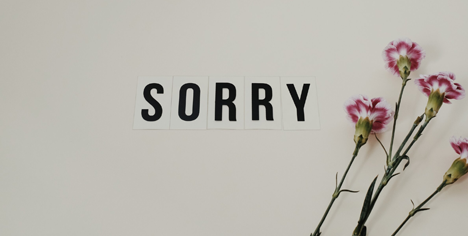
Despite being a core tenant of any and all relationships, many struggle with giving and receiving apologies. At its core, an apology is a statement of remorse that acknowledges the harm caused and attempts to restore the respect lost as a result of an offense. This skill is an integral part of relationship building with each other, ourselves, and the community at large.
As we age, sometimes we are captivated by the fantasy of always being right; after all, the idea that right equals reward has been ingrained. However, apologies threaten this illusion of control, shaming us into sacrificing connection for comfort. Are they even worth it? Why am I the only one who has to put in the work?
What should I do?
While they offer benefits to both the recipient and speaker, apologies are not meant for any one individual. Instead, they prioritize the relationship by consisting of:
- An acknowledgment of your wrongdoing
- Understanding of the impact you had on the other party
- An action plan to avoid future hurt
Take ownership of your part in damaging the bond between you and the other party. This is not the time to inundate them with excuses or their own faults. Even though everyone has their own flaws to work through, welcome this as a learning opportunity to work on yours. Struggling to own your part because conversations quickly turn defensive? Read How to Communicate in Relationships.
It is important to note that remorse is not a necessary component of the apology equation. Whether or not you regret eating your roommates food or stepping on your neighbor’s lawn, all that is truly required is a desire to repair the relationship.
But what about me?
There is a profound power in owning your actions. Though the plan may have been better than the execution, apologizing is agency. It is being able to analyze a situation from many angles and using the information to foster a safe and nurturing environment for all. It is saying that you value the other person and the relationship between you both.
So, we’re good, right?
Just as there are many ways to apologize, there are also many ways to react to an apology. Once you have said your piece, the situation is beyond your control. While everyone wants their vulnerability to be matched with the other person’s forgiveness, the reality is that we are a highly judgmental species living in an age where the individual often comes first.
- The ideal: your apology is heard, and embraced, and you can move forward with confidence in yourself and the relationship
- The mediocre: the other person delights in knowing that you are as hurt as they are and treats you as entertainment by prolonging the situation
- The disappointing: you are met with stony silence and must carry around the burden of unfinished business. When apologies aren’t enough to heal deep-seated pain, rebuilding security takes structured guidance. Explore What Really Happens in Couples Counseling.
While we should never abandon our loved ones in times of crisis, neither should we abandon our sense of worth. After all, the most important relationship in everyone’s life is their relationship with themselves.
At the end of the day, “I’m sorry” is one of the most powerful sentences in the English language. It demonstrates commitment, learning maturity, and autonomy. It speaks your love into existence. Most importantly, it shows that you are trying to do and be better, allowing us to understand ourselves and the world at large a bit more each time.
If past hurts and unaccepted apologies have left your relationship feeling stuck in a cycle of resentment, professional support can help. Take the first step toward true repair by visiting our Couple Care Contact Page to schedule a consultation.
Ready to Restore Connection in Your Relationship?
Giving and receiving apologies with grace is one of the highest signs of relational maturity, but breaking through old patterns isn’t always easy. Whether you are searching for an experienced couples therapist near you in Orange County or seeking the flexibility of online couples therapy across California, Couple Care is here to guide you toward meaningful repair.
Call: 949-229-2715
Email: info@couple-care.com
Online Booking: Reach out on Our Contact Page