
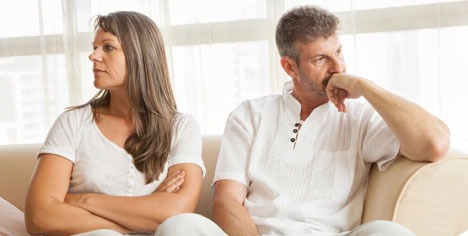
 Every couple argues. Conflict itself is not the problem, but how couples fight can determine whether a relationship grows stronger or becomes more disconnected over time. At Couple Care, we often remind couples that recurring fights are usually a signal of unmet needs, emotional pain, or communication breakdowns rather than a lack of love.
In earlier posts such as Understanding Relationship Distress: Common Causes and First Steps Toward Healing, we explored how unresolved issues and emotional disconnection contribute to ongoing tension. In this post, we focus on practical counseling techniques that help couples reduce conflict and communicate more effectively.
Below are five proven strategies therapists use to help couples stop fighting and start understanding each other.
1. Slow the Conversation Down
Many arguments escalate because conversations move too fast. When emotions run high, partners may interrupt, raise their voices, or focus on defending themselves instead of listening. Slowing the pace allows each person to think clearly and respond intentionally. Taking pauses, breathing deeply, or agreeing to speak one at a time can significantly reduce escalation.
Slowing down can be especially difficult when conversations happen over text or while distracted by devices. Read our post on How Technology Is Affecting Your Relationship: 7 Ways Screen Time Can Create Emotional Distance to learn how digital habits fuel escalation.
2. Focus on Feelings, Not Blame
Arguments often turn hurtful when partners lead with criticism or accusations. Instead of focusing on what your partner is doing wrong, shift toward expressing how you feel. Saying that you feel hurt, overwhelmed, or disconnected invites empathy rather than defensiveness. This approach aligns with the trust-building principles discussed in How to Build Trust in a Relationship: A Therapist’s Guide for Couples.
3. Identify the Real Issue Beneath the Fight
Many recurring arguments are not really about what they seem. A disagreement about chores, finances, or time together often reflects deeper needs such as feeling appreciated, supported, or valued. Couples counseling helps uncover these underlying concerns so partners can address the root of the conflict instead of repeating the same arguments.
4. Learn to Repair After Conflict
Healthy relationships are not defined by the absence of conflict, but by the ability to repair after it. Repair attempts may include apologies, reassurance, affection, or taking responsibility for one’s part in the argument. Learning how to reconnect after a disagreement is a core focus in couples therapy and is often explored further once couples understand What Really Happens in Couples Counseling: A First Timer’s Guide.
5. Practice Team-Oriented Problem Solving
One of the most powerful shifts couples can make is moving from a mindset of winning the argument to solving the problem together. Viewing conflict as something the relationship faces rather than something caused by one partner encourages collaboration. This creates a sense of safety and partnership rather than competition.
When a relationship has experienced severe breaches of trust or life transitions, getting back on the same team takes extra support. Explore our guide on Divorce Recovery Counseling.
A Final Thought
Fighting does not mean your relationship is broken. It means something important is trying to be expressed. With the right tools, couples can learn to communicate more calmly, feel more understood, and reconnect emotionally. At Couple Care, we support couples in transforming conflict into opportunities for growth, understanding, and deeper connection.
Ready to trade endless arguments for calm, meaningful communication?
You don’t have to stay stuck in high-conflict patterns. Whether you’re searching for an experienced couples therapist near you in Orange County or looking for the convenience of online couples therapy across California, Couple Care provides a safe, structured space to help you turn conflict into connection. Reach out today to get started.
Call: 949-229-2715
Email: info@couple-care.com
Online Booking: Schedule an Initial Consultation on Our Contact Page