
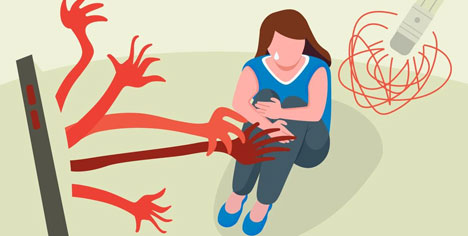
 At Couple Care, we often see couples who love each other deeply but still find themselves struggling with relationship distress. Sometimes certain patterns, stressors, or misunderstandings are creating tension that leaves both partners feeling disconnected or unsupported. Here are some of the most common causes and provide a quick snapshot of how couples can begin to move forward.
Communication Breakdowns
One of the most frequent sources of distress is poor communication. When couples struggle to express needs clearly or do not feel heard, frustration builds. A first step is to practice slowing down and giving each partner space to share without interruption. Even small changes such as summarizing what you heard your partner say can begin to rebuild understanding.
Unresolved Conflict
All relationships experience conflict, but when arguments go unresolved, resentment can grow. Rather than focusing on winning the disagreement, couples can try to approach conflict as a team. Shifting the perspective from “me versus you” to “us versus the problem” can make a meaningful difference.
Emotional Distance
Over time, life’s responsibilities can create distance. Partners may notice less affection, intimacy, or quality time together. A helpful step is to intentionally carve out time for connection, even if it begins with something simple like a shared walk or a meal without distractions.
If stress and routine are causing you to drift apart, read Prioritizing Connection in Difficult Times: How Couples Can Stay Close Under Stress for simple ways to protect your intimacy.
Stress and Outside Pressures
Work demands, parenting, financial challenges, and family obligations can put pressure on any relationship. When stress builds, partners may take it out on each other unintentionally. Recognizing the role of outside stressors can reduce blame, and setting aside moments of shared support can strengthen the relationship.
When external pressures lead to mismatched therapy readiness, check out our post on When One Partner Wants Therapy, and the Other Does Not to navigate that gap with empathy.
Different Expectations
Couples sometimes carry unspoken expectations about roles, responsibilities, or the future. Misaligned expectations can lead to disappointment. Bringing these assumptions into open conversation can prevent ongoing misunderstandings and help each partner feel more aligned.
First Steps
If you and your partner are experiencing distress, know that you are not alone. Small intentional efforts, such as listening more deeply, spending time together, or seeking guidance from a professional, can start to ease the tension. Every couple has the ability to grow and strengthen their bond with the right support.
This series will continue by exploring each of these areas more deeply, offering tools and strategies that couples can use to navigate challenges. At Couple Care, we believe that with awareness, effort, and guidance, relationships can become even stronger in the face of difficulty.
Relieving relationship distress starts with taking that single first step together. Take the first step toward relief and reconnection by visiting our Couple Care Contact Page to set up a consultation.
Move Past Distress and Build a Resilient Partnership
Feeling disconnected doesn’t mean your relationship is beyond repair, it’s simply a sign that you could use some support. Whether you’re searching for an experienced couples therapist near you in Orange County or seeking the flexibility of online couples therapy across California, Couple Care is here to guide you toward healing. Connect with Couple Care today to get started.
Call: 949-229-2715
Email: info@couple-care.com
Online Booking: Schedule an Initial Consultation on Our Contact Page