
Attachment style plays a paramount role in partner selection, the quality and dynamics of the relationship, as well as how and how long the relationship survives. Attachment styles develop in childhood and based on relationship experiences with parents or primary caregivers. In short, the attachment style is the way a child learns to give and receive love… or not. This blueprint acts as a model for future adult intimate relationships and friendships.
The attachment model informs how we respond to our needs, and what we do to address them. In the case of a securely attached person, you find not only self-confidence but also ease and comfort in meeting their own needs and the needs of their partner. In the case of any of the other types of attachment, however, you find a pull between partners who enable and fit the particular maladaptive attachment for each other.
Typically, we are drawn to partners that support and confirm our attachment style. The attachment style is the way we relate with one another, and in long term adult intimate relationships, we seek to replicate these attachment patterns. There is an opportunity in this replay to resolve old hurts and heal old scars with resolution; or, alternatively, the opportunity to deepen the wounds and scars.
4 Primary Attachment Styles
Secure Attachment:
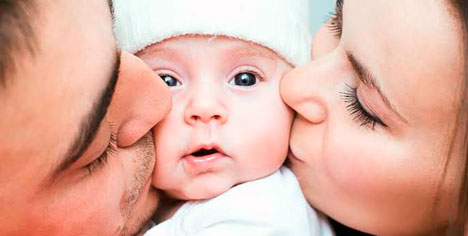
Securely attached individuals are confident, self-assured, comfortable in their own skin, and assertive. They seek securely attached partners, generally feeling comfortable, equal, connected and at the same time independent in their relationship. Typically, securely attached adults have experienced loving parental relationships.
Anxious Attachment:

Anxiously attached adults feel a need to cling to their partner, seeking a sense of security and safety. Often this ultimately pushes their partner away. The more insecure they feel, the more demanding and possessive they typically behave. Typically, anxiously attached adults have experienced an unpredictable parent in childhood. The parent may be sometimes angry, sometimes caring, sometimes available, and sometimes absent.
Dismissive Avoidant Attachment:

Individuals with an avoidant attachment style tend to be aloof with their partner, preferring isolation and emotional distance. They seek to rely on themselves for emotional nurturing. They deny the importance of loved ones and emotionally shut down in intense situations. By turning off their feelings, they are able to not react. Typically, in childhood, they have experienced parental unresponsiveness to their needs.
Fearful Avoidant Attachment:

Individuals with fearful avoidant attachment styles live in a state of ambivalence, fearful of being both too close and too distant from others. They are unable to control their feelings of anxiety and uncertainty. They operate from the model that they need to get close to others to get their needs met, but if they get to close, they will end up getting hurt. Their fear of abandonment is strong, and they have trouble with intimacy. They may cling to their partner when they feel distant but feel trapped when they get too close. In childhood, they have typically experienced abuse such that it appears life-threatening.
Navigating conflicting urges to pull close and push away often creates intense emotional uncertainty. Read Understanding Relational Ambivalence & Radical Acceptance to process these contradictory instincts.
Now what?
Unhealthy attachment styles developed in childhood can be overcome, and work towards a healthy adult attachment is the goal of much attachment-based therapeutic work. Understanding your attachment style and underlying anxieties and fears is key to working through the defenses to form a secure attachment.
Engaging with your partner to understand each other’s attachment styles and defenses against getting too close can ultimately help undo some of the maladaptive behaviors and work towards a healthy and secure attachment in the relationships. Unpacking childhood blueprints and shifting toward a secure attachment requires breaking old reactive cycles. Explore 10 Common Myths About Couples Counseling to see how therapy provides a structured path for growth.
Transforming your attachment patterns and building emotional security in your partnership takes time and support. Take the first step toward a healthier connection by visiting our Couple Care Contact Page to schedule a consultation.
Strengthen Your Bond With Your Partner Today
Understanding how you and your partner give and receive love is one of the most powerful tools for creating lasting relationship stability. Whether you are seeking specialized individual counseling in Orange County or looking for couples therapy online across California, Couple Care offers a safe, insightful environment to help you heal past wounds and build secure attachment.
Call: 949-229-2715
Email: info@couple-care.com
Get Started: Book a Consultation with Couple Care